How Autonomous AI Agent Connectivity Is Redefining System Reliability
How Autonomous AI Agent Connectivity Is Redefining System Reliability
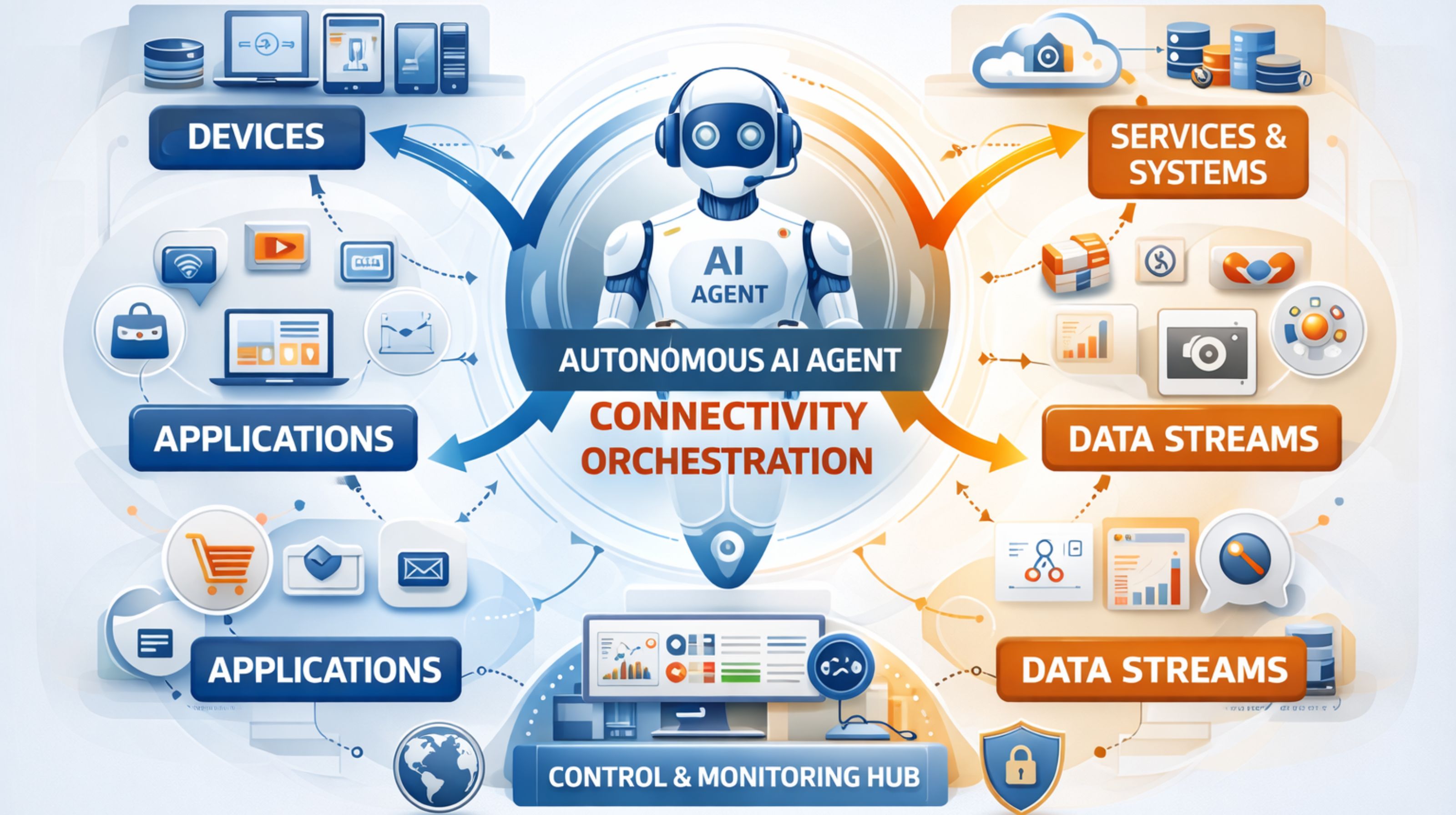
At a foundational level, advanced AI systems increasingly depend on seamless communication channels. These complex networks allow individual agents to share vital information efficiently. Orchestration ensures these connections remain stable and highly performant. This process manages data flow and optimizes resource allocation effectively. It is crucial for maintaining system integrity and operational efficiency. Without proper management, distributed AI can become unreliable. This interconnected approach drives innovation across many industries.
Understanding Autonomous AI Agent Connectivity Orchestration
In practical terms, autonomous AI agent connectivity orchestration refers to the dynamic and self-governing management of communication pathways and interactions among independent AI agents within a distributed system. This complex process ensures agents can discover, connect, and collaborate without explicit human intervention, adapting to changing network conditions and operational demands. This robust framework is vital for scaling sophisticated AI deployments. It allows intelligent agents to operate cohesively and exchange information quickly. The system dynamically adjusts routes for optimal data delivery. It also prioritizes critical agent interactions accordingly. This ensures high availability and responsiveness always.
Evolving Connectivity in AI Systems Today
From an operational perspective, the landscape of AI agent connectivity is undergoing significant transformation. We are witnessing a shift towards more dynamic and self-healing network configurations. This evolution enables agents to autonomously establish and re-establish connections effortlessly. Traditional static network models are simply no longer sufficient. New protocols support real-time, event-driven communication patterns. This allows agents to react instantly to environment changes. Advanced orchestration tools now leverage machine learning for prediction. They anticipate network congestion and reroute traffic proactively.
Addressing Key Orchestration Misconceptions
When applied in real environments, a common misconception is that orchestration only involves basic network routing. However, it encompasses much deeper semantic understanding of agent goals. A practical insight competitors often miss involves predictive resource allocation. This system dynamically scales connectivity based on anticipated agent workload. This proactive approach minimizes latency and prevents bottlenecks effectively. It optimizes bandwidth utilization across the entire network. This intelligent management enhances overall system resilience considerably.
Future-Proofing AI Agent Networks
Looking at common implementation patterns, real-world observations show autonomous AI agent connectivity orchestration greatly improves operational agility. It is critical for systems like smart city infrastructure and robotic fleets. A significant risk of misunderstanding lies in underestimating security implications. Poorly orchestrated connections can create exploitable vulnerabilities easily. Therefore, robust security measures must be integrated from the start. Effective autonomous AI agent connectivity orchestration demands continuous monitoring and adaptive protocols for long-term success.
FAQ
Within frequently asked concerns, what exactly defines an autonomous AI agent? An autonomous AI agent operates independently without constant human oversight. It perceives its environment, makes decisions, and acts towards its goals. These agents learn and adapt over time. They execute tasks with minimal human intervention.
How does orchestration enhance multi-agent system performance? Orchestration optimizes communication pathways and resource allocation. It minimizes latency and prevents network bottlenecks. This ensures agents can collaborate efficiently. Overall system responsiveness improves significantly.
What are the security considerations for AI agent connectivity? Securing these connections requires strong encryption and access controls. It also needs continuous threat monitoring and immediate response. Data integrity and privacy are paramount. Protecting against unauthorized access is crucial.
Can autonomous orchestration reduce operational costs for AI deployments? Yes, autonomous orchestration can certainly reduce operational costs. It automates network management tasks and optimizes resource usage. This minimizes manual intervention requirements. It also improves overall system efficiency greatly.


Comments
Post a Comment