how to stream gantry robot position data to factory analytics 2026
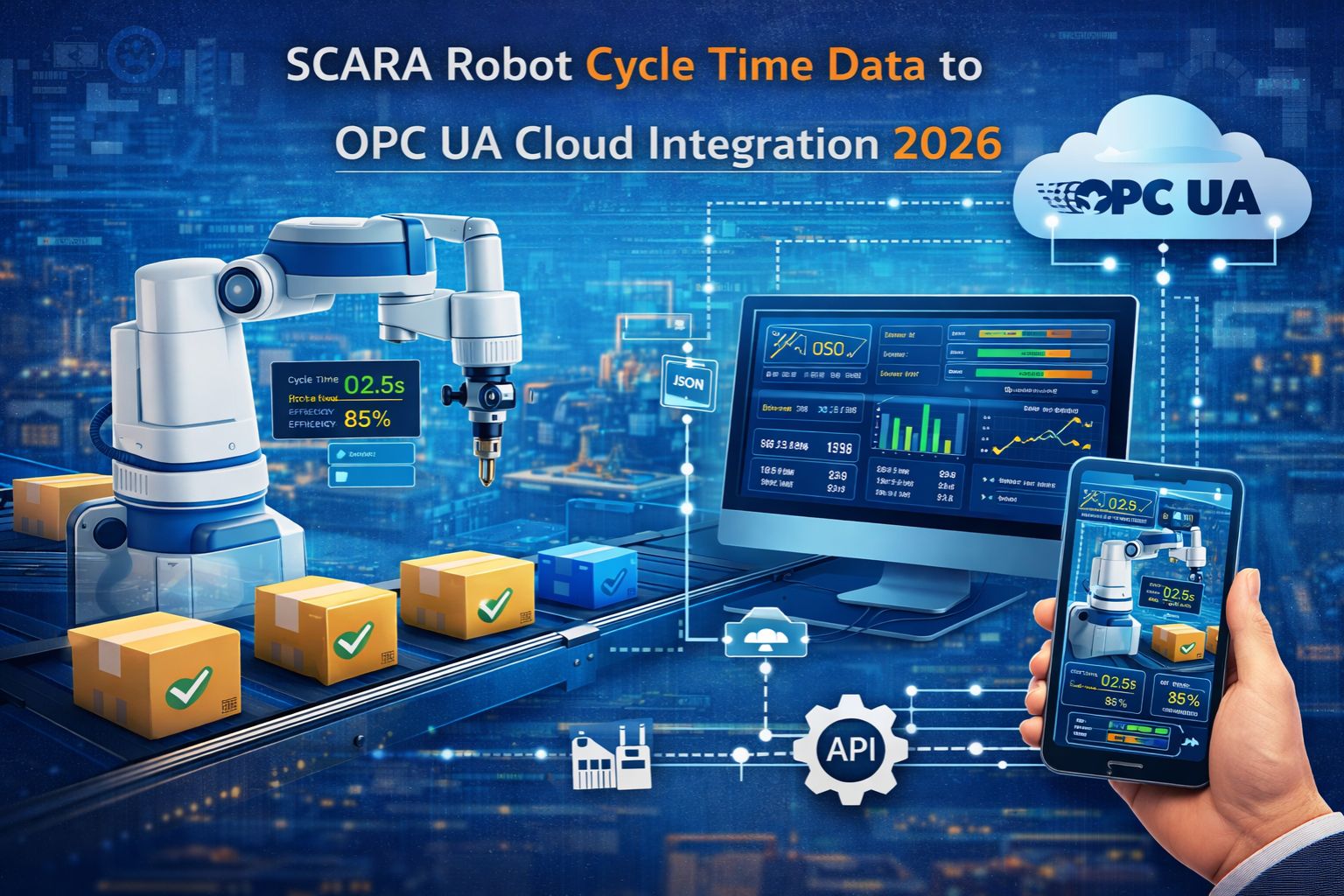
how to stream gantry robot position data to factory analytics 2026
Getting gantry robot position data into factory analytics is a huge challenge for 2026. It's not that the tech isn't there—it's that the real-time pipeline tends to fall apart at the protocol and ingestion layer. The result? Dashboards end up showing data that's stale or just plain incomplete, which kind of defeats the whole purpose.
What Streaming Gantry Data Really Means for IT/OT Teams
In reality, streaming isn't just shooting coordinates into the cloud. It's about keeping a steady, timestamped feed alive—Cartesian positions, axis states, cycle flags—all coming from the robot's controller, which usually speaks some proprietary industrial protocol. You need a gateway that can translate that into something cloud-friendly, like MQTT, but without adding buffering delays that throw the data out of sync with what the machine is actually doing. That's the tricky bit.
The Reality of Live Position Data at Factory Scale
When you're in live production, the idea of a simple, clean data stream just doesn't hold up. High-frequency updates from multiple gantries can easily overwhelm a gateway's queue, especially during fast moves. You get dropped data points. Then your analytics system is trying to make sense of a fragmented motion path, which makes things like predictive maintenance or cycle time analysis pretty unreliable. A lot of teams run into this by ignoring the controller's native polling limits, trying to pull data faster than the hardware can actually spit it out.
The Critical Mistake in Gantry Data Integration
The most common way this goes wrong is treating the robot controller like any other IT data source. There's this assumption that "any IoT gateway will work." So you end up with a gateway that can't handle the precise timing or the weird custom register mapping of the gantry's protocol. The failure is often silent—position values get misaligned or scaled wrong—and that corrupted data directly causes instability in whatever analytics you're running downstream.
When to Tune, Reconfigure, or Redesign the Stream
Figuring out what to do comes down to this: you can try to tune things like polling intervals if your latency is still under 100ms. If you're seeing data gaps or scaling mismatches, you probably need to reconfigure or swap out the gateway's translation layer. But when those internal fixes fail—and you'll know, because adding a second gantry often crashes the whole stream—that's when a full redesign of the ingestion architecture is necessary, using a deterministic protocol bridge. This is the point where more specialized integration platforms, like snipcol, become critical. They move past simple translation to actually managing data integrity.
FAQ
Question: What is the biggest bottleneck in streaming gantry robot data?
Answer: Almost always, it's the protocol translation at the IoT gateway. These proprietary controller protocols weren't built for high-frequency cloud streaming, and generic translators introduce buffering and data loss right when you need it most—during peak motion cycles.
Question: Can we use OPC UA to stream gantry position data reliably?
Answer: Only if the robot controller supports OPC UA natively, and with a fast enough update rate. In a lot of older setups, OPC UA gets added via a secondary server. That just adds another hop of latency and becomes another potential point of failure for a real-time position stream.
Question: How do we verify the position data in the analytics platform is accurate?
Answer: You need a cross-check. Compare a known physical position command sent to the gantry with the data point that finally arrives in the cloud, and measure the time difference. If you see discrepancies over a few hundred milliseconds, your stream is broken.
Answer: You'll know it's time when your analytics models—for predictive maintenance or digital twin sync—start failing because the data is inconsistent or lagging, and you've already exhausted all the basic gateway tuning options. That's a sign of a fundamental architecture mismatch, and you'll need a solution built for an industrial data pipeline.


Comments
Post a Comment